
The refuse and waste management industry handles a wide range of discarded materials daily, from household garbage to industrial debris. Among these, white goods form a significant and distinct category. Understanding what white goods are, how they are handled, and why they matter is essential for both consumers and waste management professionals.
What Are White Goods in the Refuse Business?
In the Refuse Business and recycling sector, white goods refer to large household appliances, typically coated in white enamel, though colour no longer strictly defines them. The term historically emerged when such items—like refrigerators and washing machines—were commonly white.
White goods include:
- Refrigerators and freezers
- Washing machines and dryers
- Dishwashers
- Stoves and ovens
- Air conditioners and water heaters
These appliances are durable, long-lasting, and non-disposable in the traditional sense. When they reach the end of their life cycle, they require special handling, recycling, or disposal methods due to their size, materials, and environmental impact.
The Importance of Identifying White Goods
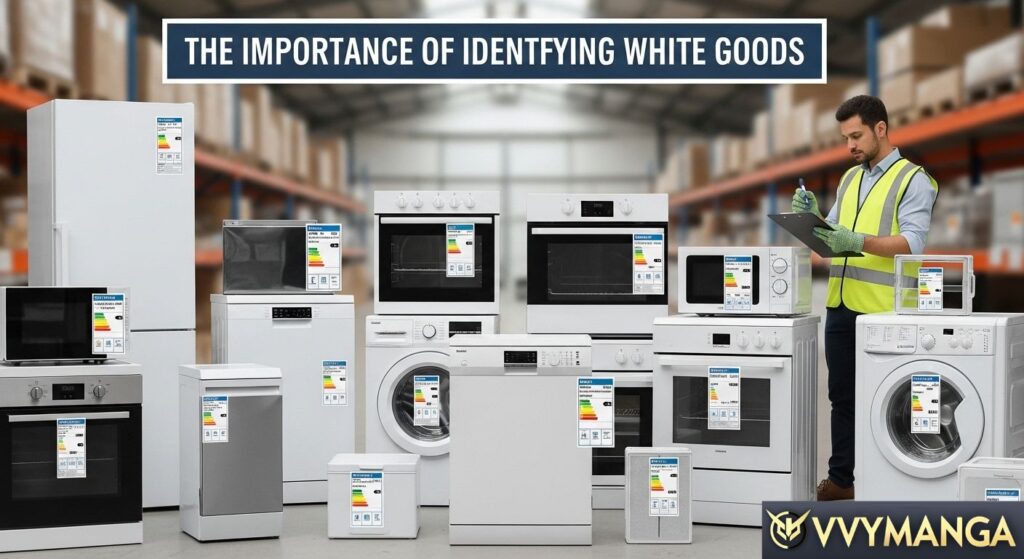
In the waste management and recycling industry, correctly identifying white goods is crucial, as they contain valuable recyclable materials, such as steel, aluminium, copper, and sometimes even rare metals.
However, they may also contain hazardous substances—like refrigerants, oils, or insulation foam—that require professional removal before recycling. Proper identification ensures:
- Environmental safety
- Efficient resource recovery
- Compliance with local and federal waste disposal laws
White Goods vs. Brown Goods: Understanding the Difference
The Refuse Business often classifies appliances into two major categories—white goods and brown goods.
| Category | Example Items | Primary Components | Disposal Focus |
| White Goods | Refrigerators, washing machines, ovens | Metal-heavy, mechanical | Recycling and material recovery |
| Brown Goods | Televisions, computers, audio systems | Electronic, plastic-heavy | E-waste management and data destruction |
While white goods are primarily metal and mechanical, brown goods fall into the realm of electronics and often require separate recycling processes under e-waste programs.
How White Goods Are Collected and Processed
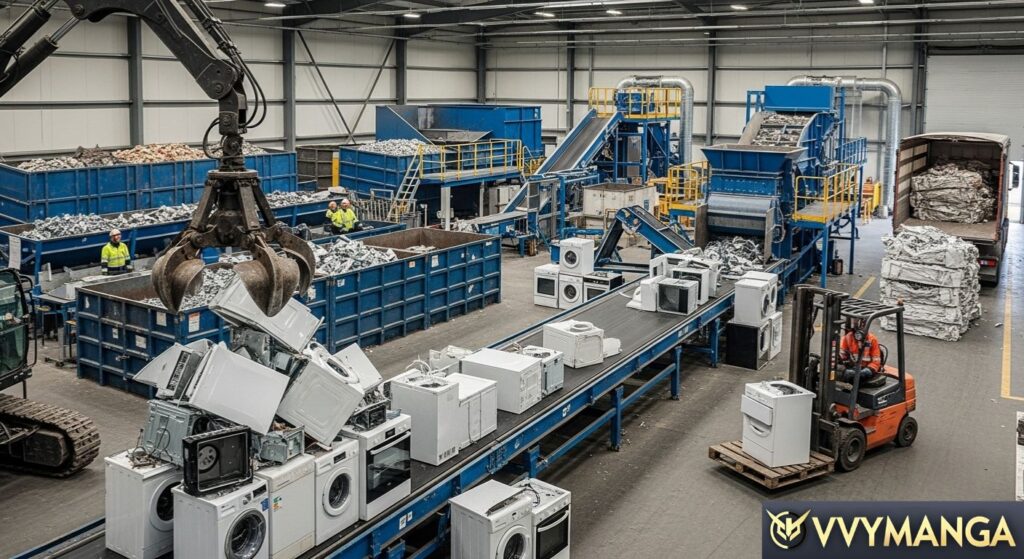
1. Collection and Sorting
Municipal waste collection services or private hauliers often designate specific days or drop-off locations for bulk waste collection. Refuse Business White goods are typically segregated at the source to avoid contamination with regular garbage.
2. Decommissioning
Before recycling, white goods undergo decommissioning, where hazardous components are removed. This may include:
- Refrigerant gases (CFCs, HFCs)
- Compressor oils
- Mercury switches
These substances can be highly toxic and are handled in accordance with EPA or local environmental authority guidelines.
3. Dismantling and Recycling
After safe decommissioning, white goods are mechanically shredded or manually dismantled. Metals such as steel, copper, and aluminium are extracted for reuse in manufacturing.
Some components, such as plastic housing, glass doors, or wiring, are also processed for secondary applications.
Environmental Impact of White Goods Disposal
Improper disposal of white goods can have severe environmental repercussions. For instance:
- Refrigerants contribute to ozone layer depletion and global warming.
- Oils and lubricants can contaminate soil and groundwater.
- Non-recycled metals increase the demand for raw mining, leading to further ecological damage.
However, recycling white goods helps mitigate these risks and contributes to a circular economy, where materials are reused rather than wasted.
Regulations Governing White Goods Disposal
Government regulations around Refuse Business white goods are stringent, particularly in developed nations. Key policies include:
- The Clean Air Act (U.S.) mandates proper handling of refrigerants.
- WEEE Directive (EU) – classifies white goods as part of electronic and electrical equipment waste requiring recycling.
- Local municipal laws often enforce specific drop-off locations or recycling fees for large appliances.
Compliance is crucial to avoid legal penalties and environmental violations.
Recycling Benefits of White Goods
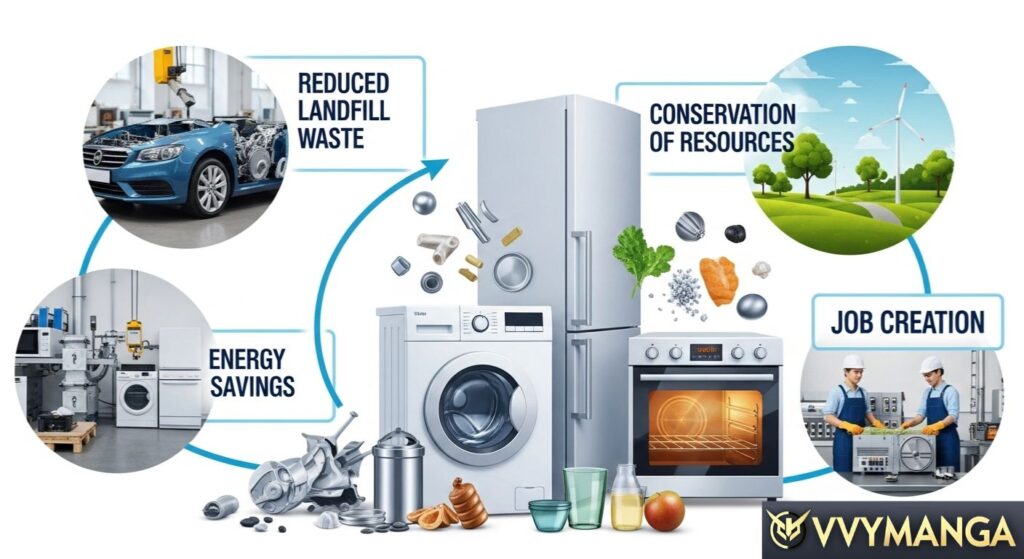
Recycling white goods provides both economic and environmental benefits to the Refuse Business:
Economic Benefits
- Reduces raw material costs for manufacturers.
- Creates local jobs in recycling and Refuse Business sectors.
- Encourages secondary markets for used appliances.
Environmental Benefits
- Prevents harmful emissions from refrigerants.
- Reduces landfill waste.
- Conserves energy by reusing metals instead of mining new ones.
On average, up to 90% the components of white goods can be recycled, making them one of the most valuable waste streams in the industry.
Common Challenges in Handling White Goods
Despite their recyclability, several challenges persist:
- High transportation costs due to bulk and weight.
- Hazardous material management requires skilled labour.
- Low recycling rates in regions lacking proper infrastructure.
- Illegal dumping of large appliances in rural or unregulated areas.
Tackling these challenges requires coordinated efforts between governments, manufacturers, and consumers.
White Goods Refurbishment and Reuse
Not all discarded white goods are destined for scrap. Many can be refurbished and resold. This process involves:
- Inspection and repair of functional components
- Replacement of worn parts
- Resale through certified second-hand outlets
This not only extends the appliance’s lifespan but also supports low-income households and promotes sustainable consumption.
The Future of White Goods Recycling
As technology evolves, Refuse Business white goods are becoming more innovative, more efficient, and complex. Future recycling programs must adapt to these changes by:
- Implementing AI-driven sorting systems
- Developing eco-friendly materials in appliance manufacturing
- Introducing extended producer responsibility (EPR) programs, where manufacturers manage the end-of-life process
Such innovations will make the white goods sector more sustainable and resource-efficient in the coming decades.
Tips for Consumers: Responsible Disposal of White Goods
If you’re replacing or discarding old appliances, follow these best practices:
- Contact your local council for collection programs.
- Ask retailers if they offer take-back schemes when buying new appliances.
- Avoid illegal dumping or leaving items curbside without notice.
- Donate or sell functioning appliances to charity organizations.
Responsible disposal ensures that your white goods contribute positively to the recycling ecosystem.
♻️ 5 Powerful Facts About White Goods in the Refuse Business
When we talk about the Refuse Business and waste management, the term “white goods” often comes up — but not everyone knows what it really means. White goods are large household appliances such as refrigerators, washing machines, air conditioners, stoves, and freezers. These bulky items play a significant role in both household convenience and environmental impact.
Below are five powerful facts that reveal why white goods matter so much in the recycling and waste-management industry.
⚙️ 1. White Goods Are a Major Part of Household Waste
Every year, millions of large appliances reach the end of their life. According to recycling studies, white goods can account for 10–15% of bulky household Refuse Business waste in developed regions. Because of their size, weight, and material composition, they’re often challenging to dispose of properly — making them a significant focus area for the refuse industry.
🔋 2. These Appliances Contain Valuable and Hazardous Materials
White goods refuse business is full of materials like steel, aluminium, copper, and plastics — all of which can be recycled and reused. However, they also contain hazardous components, such as refrigerants, oils, and insulation foam, that can harm the environment if not handled properly. That’s why trained professionals in the refuse business follow strict recycling and disposal practices to minimize pollution and recover valuable metals.
🔁 3. Recycling White Goods Reduces Carbon Footprint
Proper recycling of white goods yields significant environmental benefits. Reusing metals and components from old appliances can cut carbon emissions by up to 80% compared to producing raw materials from scratch.
This process helps conserve energy, reduce mining needs, and lower landfill waste — aligning with the growing push toward a circular economy.
🏭 4. The Refuse Business Uses Specialised Facilities
White goods aren’t tossed into general landfills. Instead, they go through dedicated collection and dismantling centres where parts are carefully removed, cleaned, and recycled.
Advanced facilities use automated shredders, magnetic separators, and chemical treatment systems to extract recyclable materials safely. This not only supports the environment but also creates green jobs within the recycling sector.
🌍 5. Government Regulations Drive Responsible Disposal
Many regions have introduced strict E-waste and appliance recycling laws to ensure proper handling of white goods. Manufacturers and retailers are often required to take back used appliances or fund recycling programs.
For example, in the U.S., the EPA and state agencies set rules for refrigerant recovery. At the same time, the EU enforces the WEEE Directive to prevent harmful waste from entering landfills.
Conclusion: The Vital Role of White Goods Recycling
In the refuse business, white goods represent more than just bulky appliances—they are valuable resources waiting to be reclaimed. Effective recycling and disposal practices not only reduce environmental impact but also boost economic sustainability.
Understanding what white goods are, how they are managed, and their environmental significance helps build a cleaner, greener, and more efficient future.
By promoting responsible consumption, supporting recycling programs, and complying with waste management regulations, we can all contribute to a more sustainable planet—one appliance at a time.
