
1. Global Ransomware Surge: Record-Breaking Attacks in 2025
2025 has seen an unprecedented rise in ransomware attacks, with global damages projected to exceed $30 billion. From hospitals to educational institutions, no sector has been immune to the impact. Cybercriminals have become more coordinated, often backed by organised groups leveraging advanced encryption algorithms to lock systems and demand massive ransoms.
The Scale of Ransomware in 2025
According to cybersecurity analysts, the first quarter of 2025 alone saw a 40% increase in ransomware incidents compared to the same period in 2024. Attackers are now targeting cloud infrastructure and IoT devices, as companies rely heavily on remote networks following the pandemic.
How Governments Are Responding
Governments are forming international task forces and investing heavily in cyber defence systems. The U.S. Cyber Command has launched a “Counter Encryption Warfare Program” to track and disable ransomware servers across borders.
2. AI-Powered Cyber Threats: The Rise of Smart Attacks
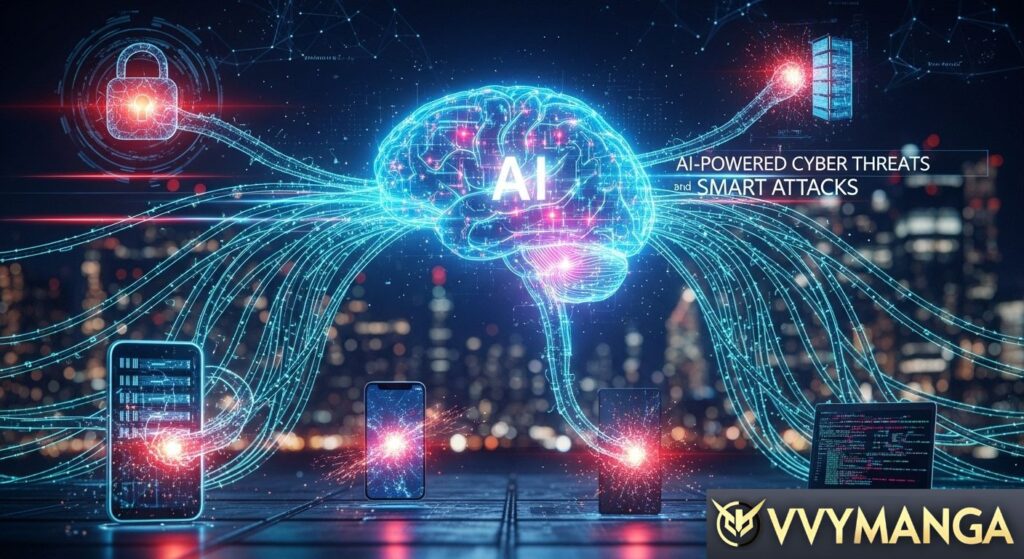
The fusion of artificial intelligence and hacking techniques has given rise to a new generation of “smart” cyber threats. AI is being leveraged to automate phishing campaigns, mimic human behaviour, and exploit vulnerabilities more efficiently than traditional methods.
Deepfake Scams and AI-Driven Phishing
Scammers now use AI voice replication to impersonate CEOs and executives, tricking employees into authorising fraudulent transactions. These “deepfake” scams are nearly impossible to detect with the naked eye or ear.
The Ethical Dilemma of AI in Cybersecurity
While AI enhances defence mechanisms through predictive threat modelling, it also raises significant ethical concerns. How far should AI go in monitoring user behaviour without breaching privacy? Experts call for the development of responsible AI governance frameworks to prevent misuse.
3. Financial Sector Under Fire: Banking Systems Breached
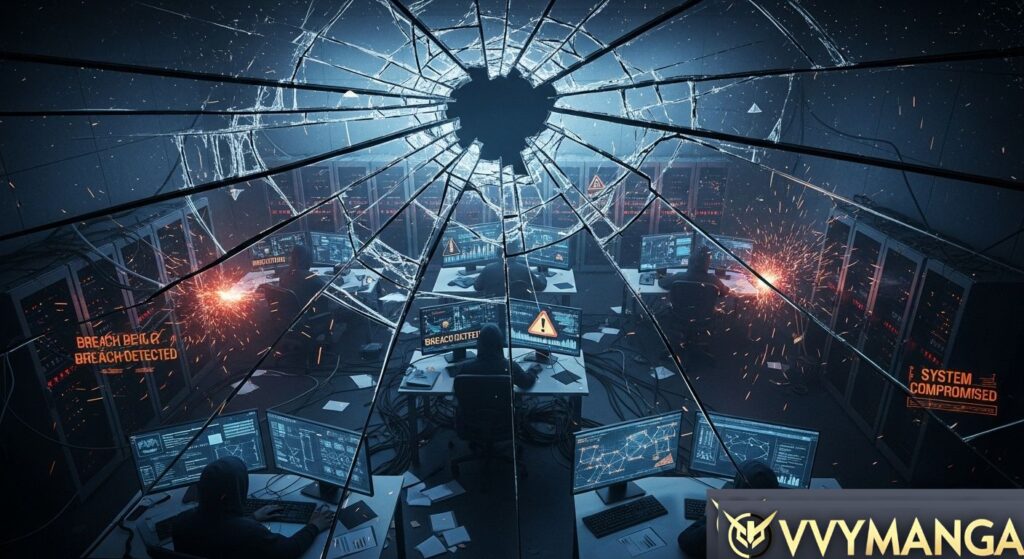
Banks remain prime targets for cybercriminals due to their massive data reserves and financial assets. In 2025, multiple global banks experienced coordinated DDoS and data exfiltration attacks, resulting in temporary shutdowns and a loss of customer trust.
The Largest Bank Cyber Heists of 2025
A notable case involved the “Phantom Ledger Attack”, which exploited blockchain-based financial ledgers, resulting in over $500 million stolen from decentralised banking networks.
Expert Insights on Financial Cyber Defence
Financial cybersecurity experts emphasise zero-trust architecture and multi-factor authentication (MFA) as non-negotiables for modern banking defence. Institutions are also leveraging AI-driven threat detection to identify suspicious behaviour in real-time.
4. Critical Infrastructure Faces Increasing Cyber Assaults

Cyberattacks on critical infrastructures, such as power grids, transportation systems, and water supply systems, are among the most alarming developments in 2025. These attacks threaten not just data, but lives.
Attacks on Power Grids and Water Systems
Recent attacks in Europe and Asia disabled regional power systems for hours, highlighting vulnerabilities in outdated operational technology. Governments are racing to modernise industrial control systems before attackers exploit more profound weaknesses.
The Global Impact on Supply Chains
With logistics and manufacturing tied to digital operations, supply chain disruptions can have ripple effects across the global economy. Cybersecurity experts warn that cyber warfare may soon shift its focus from data theft to infrastructure sabotage.
5. Data Breach Epidemic: Corporations in Crisis
Data breaches continue to plague corporations in 2025, with tech giants and retail companies leading the list of affected entities. Personal data, passwords, and credit card information are being sold in underground forums at record rates.
2025’s Biggest Corporate Breaches
In March 2025, a central e-commerce platform reported that over 200 million user accounts were compromised due to an unpatched API vulnerability. This incident spurred renewed focus on software supply chain security.
Steps Companies Are Taking to Protect User Data
Organisations are adopting data encryption by default, zero-knowledge protocols, and AI-based anomaly detection to reduce breach risks. Regular penetration testing and employee cybersecurity training remain essential defences.
6. National Cybersecurity Laws and Policy Updates
The year 2025 has brought significant regulatory reforms aimed at enhancing global cyber resilience. Both the U.S. and the European Union have passed sweeping cybersecurity laws to address data protection and corporate accountability.
New U.S. and EU Cybersecurity Regulations
The U.S. enacted the Cybersecurity and Infrastructure Security Act (CISA), which requires companies to disclose breaches within 72 hours. Meanwhile, the EU expanded GDPR provisions to include accountability for AI-driven data processing.
The Push for Global Cyber Cooperation
The UN Cybersecurity Accord of 2025 marked a pivotal step toward cross-border collaboration, uniting over 90 nations in efforts to combat cybercrime and promote shared defence intelligence.
7. Future Trends: Cybersecurity Predictions Beyond 2025
As we look ahead, emerging technologies will reshape the cybersecurity landscape.
Quantum Computing Threats
Quantum computing poses a significant challenge by potentially breaking current encryption standards. Researchers are racing to develop post-quantum cryptography before hackers gain quantum capabilities.
The Role of AI in Defensive Cyber Strategies
AI is expected to revolutionise predictive cybersecurity, enabling faster incident response and autonomous threat detection and mitigation. However, ensuring AI transparency and accountability will remain critical.
Expert Insights: What This Means for Businesses
Business leaders must treat cybersecurity not as an expense, but as an investment in resilience. Experts recommend developing incident response plans, performing regular audits, and fostering a security-first culture among employees.
Building a Resilient Cyber Defence System
- Implement Zero-Trust Architecture
- Conduct Continuous Risk Assessments
- Adopt AI-Driven Threat Monitoring
- Train Employees Regularly
- Encrypt All Sensitive Data
For additional guidance, refer to CISA’s cybersecurity resources, a reliable government source for cyber defence best practices.
FAQs
1. What is the biggest cybersecurity threat in 2025?
Ransomware remains the most significant threat, followed closely by AI-driven phishing and quantum decryption attempts.
2. How can businesses defend against AI-powered attacks?
By adopting AI-based defence systems, zero-trust frameworks, and continuous employee training.
3. Are small businesses at risk of cyberattacks?
Yes. Over 40% of cyberattacks in 2025 targeted small businesses due to weaker defences.
4. What role does government regulation play in cybersecurity?
Governments now mandate faster breach disclosures and enforce stricter compliance to protect consumer data.
5. How does quantum computing impact cybersecurity?
Quantum computers could potentially break traditional encryption, prompting the industry to adopt post-quantum security models.
6. What’s the best cybersecurity strategy for individuals?
Use strong passwords, enable two-factor authentication, and avoid clicking suspicious links or attachments.
Conclusion
Cybersecurity in 2025 is entering a transformative era. As AI, quantum computing, and global connectivity evolve, cyber threats will become increasingly sophisticated and innovative. But with stronger laws, better technology, and collective awareness, a more secure digital world is within reach. Businesses and individuals alike must remain proactive, informed, and vigilant to ensure their success.
