
Introduction to Modern Business Challenges
Modern businesses operate in an environment where change is constant and relentless. Every day brings new tools, new competitors, and new customer demands. To survive and thrive, businesses must stay agile and open to adopting innovative solutions that solve today’s challenges while preparing for tomorrow’s opportunities.
Technology Advancing Faster Than Ever
Technology evolves at a pace that’s almost hard to keep up with. What once seemed futuristic—like AI chatbots or predictive analytics—is now standard across many industries. Businesses that fail to adapt and upgrade their systems risk falling behind their competitors, who are embracing technological evolution.
Rising Customer Expectations
Customers today expect convenience, personalization, and instant results. Whether they’re shopping online, contacting support, or using a product, they want everything to be seamless, fast, and tailored to their needs. Meeting these expectations requires smart tools and innovative thinking.
Competition in a Global Market
The digital world has eliminated borders. Businesses no longer compete only with local companies; they compete globally. This increases pressure to innovate constantly and find more innovative ways to deliver value.
Why Innovation Matters More Than Ever
Innovation has become the backbone of business success. It doesn’t just mean creating new products—it also means improving systems, enhancing customer relationships, and streamlining operations.
Fueling Business Growth
Innovative companies grow faster because they solve problems more creatively, optimize their operations, and capitalize on new opportunities. Whether through AI, automation, or new marketing strategies, innovation creates momentum.
Improving Customer Experiences
Today’s customers remember how businesses make them feel. Innovative solutions, such as chatbots, self-service portals, and personalization tools, make their interactions smooth and enjoyable.
Helping Businesses Stand Out
In crowded markets, being different is essential. Unique products, modern branding, and seamless digital experiences help businesses shine among competitors.
Digital Transformation as the Foundation
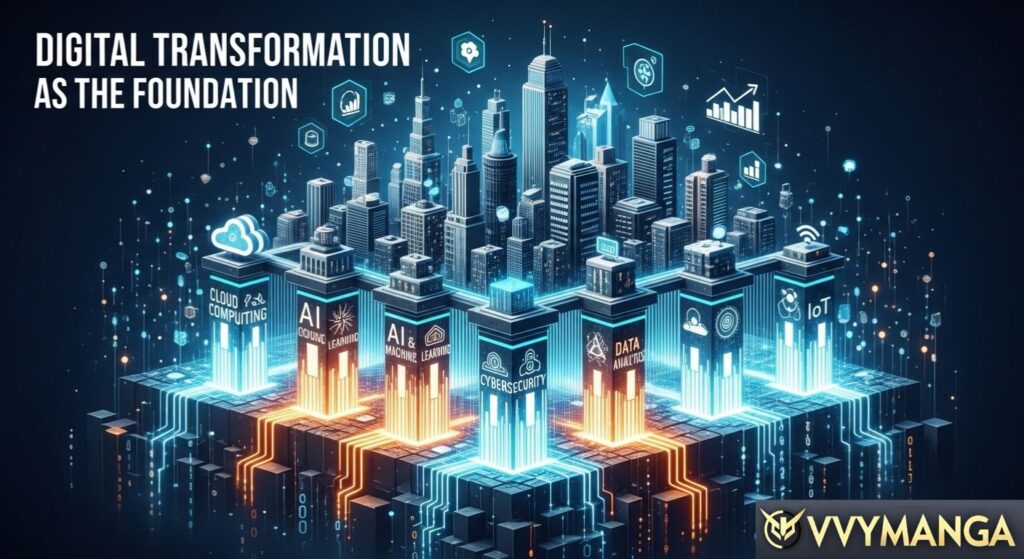
Digital transformation is the process of integrating digital technologies into every aspect of a business. It changes how a company operates and delivers value—and it’s now a necessity.
Benefits of Cloud Computing
Cloud computing offers flexibility, scalability, and cost savings. Companies can store data online, collaborate remotely, and run applications without the need for expensive hardware. This shift makes operations smoother and more efficient.
AI and Automation in Everyday Business
Artificial intelligence automates repetitive tasks, such as scheduling, data entry, and customer support. Automation saves time, reduces errors, and allows employees to focus on more meaningful tasks.
Big Data and Analytics
Data is one of the most valuable assets for a business. By analyzing customer behavior, sales trends, and market insights, companies can make more informed decisions and better predict future outcomes.
Predictive Analytics for Strategic Decisions
Predictive analytics helps businesses forecast demand, identify risks, and plan strategically. This proactive approach helps companies stay ahead of changes instead of reacting to them.
Marketing Innovations Shaping Business Success
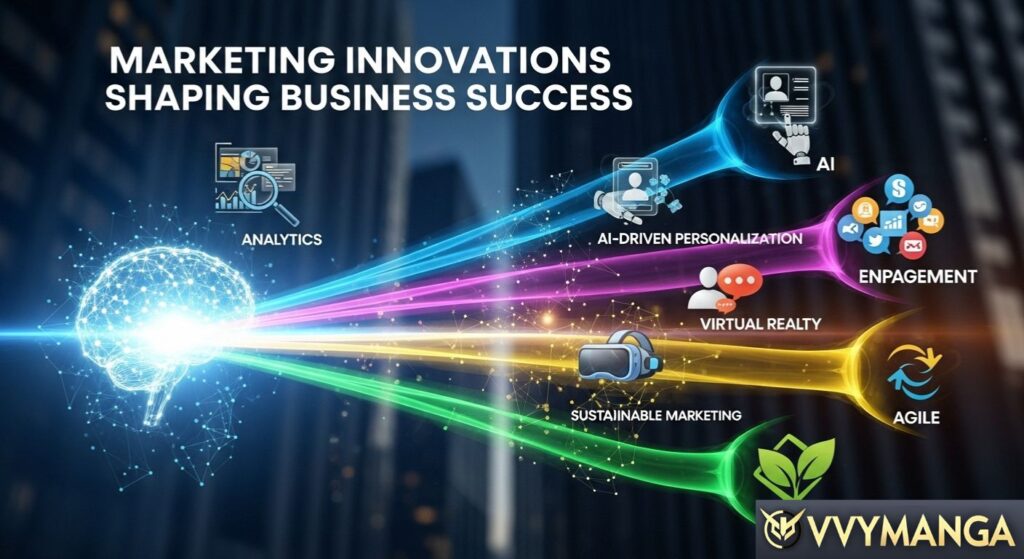
The marketing landscape has undergone a dramatic transformation in recent years, thanks to advancements in technology and shifts in consumer behavior.
AI-Driven Personalization
AI allows businesses to deliver personalized recommendations, emails, and ads. This level of customization increases customer engagement and conversion rates.
Influencer and Community Marketing
People trust real experiences and opinions more than traditional ads. Influencer marketing and community-building strategies enable businesses to establish authentic connections.
AR/VR for Immersive Engagement
Augmented and Virtual Reality bring products to life. Customers can “try on” clothing virtually, preview furniture in their homes, or explore virtual showrooms.
Boosting Operational Efficiency Through Innovation
Efficiency is key to business success. Innovative tools streamline operations and reduce unnecessary workloads.
Workflow and Process Automation
Automation software improves workflow efficiency by handling repetitive tasks and organizing information. This boosts productivity and reduces human error.
Remote and Hybrid Work Tools
Communication platforms, cloud systems, and project management tools support remote work environments. Businesses can now collaborate globally with ease.
IoT for Smarter Operations
Internet of Things (IoT) devices monitor equipment, track inventory, and improve workplace safety. These tools help businesses operate smoothly and make informed decisions.
Sustainable Innovations Becoming Essential
Sustainability is no longer optional—it’s a responsibility.
Adopting Green Technologies
Businesses are shifting to renewable energy, energy-efficient equipment, and eco-friendly materials. These efforts reduce environmental impact and operational costs.
Circular Economy in Business
Circular business models emphasize reuse, recycling, and reduced waste. This approach benefits both the planet and the business’s bottom line.
Eco-Friendly Supply Chains
Businesses are focusing on ethical sourcing, low-emission transport, and sustainable packaging. These choices appeal to environmentally conscious customers.
Customer-Centric Innovations
Customer satisfaction drives business success. Modern tools make it easier to understand and meet customer needs.
Omnichannel Customer Interaction
Whether customers interact through social media, websites, or physical stores, they expect a seamless experience. Omnichannel solutions unify these touchpoints.
AI-Powered Customer Support Systems
Chatbots, voice assistants, and AI ticketing systems provide quick and efficient solutions. They offer 24/7 support, reducing customer frustration.
Personalized Customer Journey Mapping
Businesses analyze customer interactions to personalize every step—from browsing to purchasing to post-sale support.
Cybersecurity Innovations Protecting Modern Businesses
Cyber threats are on the rise, and protecting business data is more crucial than ever.
Zero-Trust Security Models
This security model verifies every user and device before granting access, reducing vulnerabilities.
Advanced Threat Detection
AI-driven systems detect suspicious activity early, preventing data breaches and attacks.
Cyber Awareness Training for Teams
Employees are often the first line of defense. Training helps them recognize threats and respond appropriately.
Financial Innovations Transforming Business
Modern financial systems enable faster, safer, and more convenient payments.
Fintech Solutions
Fintech tools improve business transactions, payroll processing, and customer payments, offering speed and accuracy.
Blockchain and Crypto Applications
Blockchain ensures secure, transparent transactions. Some businesses also accept cryptocurrency for faster global payments.
Automated Accounting and Billing
Automation reduces financial errors and streamlines invoicing, budgeting, and tax preparation.
Future Trends in Business Innovation
The future is shaping up to be even more exciting.
Web3 Technologies
Decentralized platforms provide users with more control, while also increasing transparency and accountability.
Human-AI Collaboration
AI won’t replace humans—it will amplify human abilities and help achieve more in less time.
Intelligent Smart Automation
Automation will continue to evolve, handling more complex tasks with minimal human involvement.
Steps for Businesses to Implement Innovative Solutions
Implementing innovation requires planning and strategy.
Assessing Business Needs
Businesses must identify problems and opportunities before choosing the right innovations.
Training Employees for New Technologies
Employees need knowledge and confidence to use new tools effectively.
Collaborating With Tech Providers
Partnering with technology experts ensures correct implementation and continuous support.
Conclusion
Innovation is the key to success in the modern business world. From AI and automation to sustainability and digital transformation, every innovation helps businesses operate smarter, faster, and more efficiently. Companies that embrace these changes position themselves for long-term success and adaptability in an ever-changing marketplace. The future belongs to businesses that are ready to innovate boldly and consistently.
FAQs
- What is the most important innovation for modern businesses?
Digital transformation—especially automation and AI—remains the most impactful. - Why do customers expect personalized experiences?
Technology has made personalization the norm, and customers feel more valued with tailored interactions. - What role does sustainability play in business success?
It reduces costs, builds brand trust, and helps companies meet environmental standards. - How can small businesses adopt innovation affordably?
By using cloud tools, free automation software, and gradual implementation plans. - What is Web3, and why does it matter?
Web3 emphasizes decentralization, providing users with increased security, control, and transparency.
