
EV road trips are no longer just long drives from one point to another. They have become social events, learning spaces, and small moving communities. People who would never usually meet end up talking at charging stations, sharing stories while their vehicles power up. This new pattern of travel is shaping a fresh culture of mobility—a culture defined by quiet movement, cleaner energy, and stronger human connections. The road is no longer only a route; it is a meeting point.
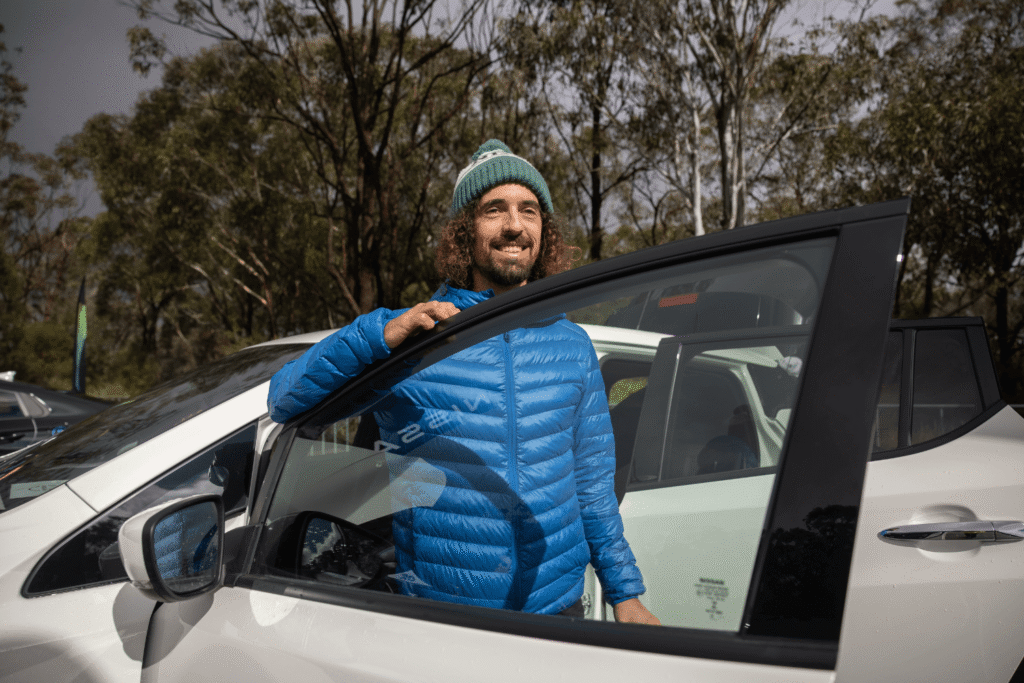
Building Connections While Charging
Drivers of electric vehicles tend to interact more than drivers of traditional cars. The reason is simple. Charging takes time, and that time creates opportunities for conversation. While vehicles recharge, people relax, wait, observe, and talk. These small moments turn into meaningful exchanges. Sometimes the conversation starts with technical questions. Sometimes it begins with personal stories. And sometimes it begins with quick reviews of battery performance, road performance, winter behaviour, or range stability.
Another reason is that many EVs are self-driving. What can you do during a long trip when the car is driving itself? For example, start an online video chat. One-on-one cam allows you to communicate with loved ones and strangers alike. And the fastest and easiest way to meet strangers online is to use CallMeChat. This method is also applicable while charging, when you’re simply waiting for the battery to refill, but this time can be spent pleasantly.
A 2024 European EV community survey found that 72 percent of drivers made at least one long-term friendship at a charging stop. Another 81 percent said they learned something practical from other drivers during road trips. These moments of shared waiting create social bridges.
Meetups and Group Drives: Community on the Move
Every time electric‑car lovers arrange a get‑together, the buzz in their community grows louder. These gatherings are not just about looking at rows of vehicles. They are dynamic events. Each driver arrives with a different background, yet everyone shares the same motivation: Every day, commuters are picking vehicles that harm the air less. Having the same purpose makes people connect in a heartbeat; think of a sports team that rallies together.
At many gatherings, group drives form the backbone of the event. You’ll find routes that treat you to lovely sights, though they linger. Some stretch far, rise sharply, and test you. Observing the pavement, whether it’s a freeway, a city street, or a country lane, offers insight into a vehicle’s efficiency and the driver’s routine. When you join a group trip, you’ll notice the dialogue springs up without effort. As you travel, the road teaches you, puts your skills to the test, and doubles as a hangout.
Live Reviews Instead of Online Opinions
A unique advantage of EV meetups is the exchange of live reviews. Not text reviews written behind a screen, but real demonstrations. A driver might show how regenerative braking works on a downhill road. Another might explain how to increase efficiency during cold weather. Someone else may compare charging speeds across different brands.
This real-time knowledge spreads quickly. One driver learns a trick, then passes it to five others. Those five share it online, or on future trips, or in their workplace. The knowledge multiplies. It is learning through direct experience, not theory.
Efficiency as a Shared Goal
Efficiency may sound like a technical topic, but in EV communities it becomes a social theme. People discuss range, battery health, charging curves, energy consumption, and long-distance strategies. These conversations often take the form of friendly comparisons.
- Who achieved the longest distance on one charge?
- Who found a more efficient driving speed?
- Who reduced energy use during a mountain climb?
However, this is not competition in a negative sense. It is a collaboration. Every shared tip helps others drive more efficiently.
A North American EV driver poll found that 58% of owners changed their driving style after learning new techniques at meetups. Efficiency becomes a collective project, supported by constant experience-sharing.
Cultural Shifts in How People Travel
EV road trips change the rhythm of travel. Unlike refueling a gas car in three minutes, charging requires planning. It also requires patience. But this technical difference leads to a cultural shift. Drivers rest more, talk more, notice more. The journey becomes slower, but often more meaningful.
Charging networks also influence tourism. Locations that once had no visitors suddenly appear on travel maps because someone installed a fast charger there. Small businesses near these stations benefit from increased customer traffic. Cafes, local shops, and small hotels all gain traffic. The social ripples extend beyond the drivers.
Diversity and Inclusion in EV Groups
Across EV circles, you’ll find people with many backgrounds. You’ll find folks of any age, paycheck size, profession, and hometown all sitting in the same meetup. Some are tech experts. Many are stepping into the EV scene for the first time; they’re still learning the basics. You’ll notice a relaxed, inclusive atmosphere that never shuts anyone out. For someone new, tossing in a comment feels as easy as saying “hi”.
Several teams deliberately roll out the welcome mat for new members, handing them easy-to-follow notes or brief roadmaps. By opening its doors to all, it cuts through walls and lifts the group’s morale. If you join any road trip forum online, you’ll notice the same warm welcome you’d get in person. People settle in when goals align, curiosity is alive, and conversations stay straightforward.
Storytelling, Learning, and Shared Experiences
A notable feature of EV meetups is the role of storytelling. Drivers share small failures, unexpected successes, or unusual road situations. Because EVs are still relatively new to many people, they are relevrelevantuand valuable stories create bonds.
Learning happens everywhere. In a parking lot. On a mountain road. At a slow charger in a rural village. Drivers exchange advice about navigation apps, energy consumption forecasts, charging options, trip planning, or hidden tips to avoid delays. These experiences become collective knowledge.
Conclusion: More Than Just Miles
The social impact of EV road trips is robust, powerful, and growing. Built around vehicles, reviews, and efficiency, these gatherings create new communities that did not exist even a decade ago. What started as a technological trend turned into a social movement. One built on shared learning, real conversation, and supportive culture.
As more drivers adopt electric vehicles, these networks will expand. The connections will strengthen. And the simple act of charging a battery will continue to bring people together. An EV road trip is not just about reaching a destination. It is about the bridges formed along the way.
