
1. What “Dismoneyfied” Really Means in Modern Business
In today’s fast-paced world, starting a business doesn’t always mean having a huge bank account. The concept of a dismoneyfied business is all about leveraging skills, creativity, and digital tools to build a thriving business without massive upfront costs. This business guide dismoneyfied approach focuses on a lean business model, emphasizing efficiency, adaptability, and resourcefulness. For low-budget entrepreneurship, it’s about validating ideas, testing the market, and scaling smartly while keeping overheads minimal. Essentially, being “dismoneyfied” means success isn’t tied to capital—it’s tied to strategy, innovation, and brilliant execution.
2. Who This Guide Is For – Identifying the Right Audience
Not every entrepreneur benefits from traditional, capital-heavy business methods. This guide is perfect for side hustlers, freelancers, microbusinesses, and professionals transitioning to self-employment. If you’re someone eager to launch a business on limited funds, seeking low-cost, high-impact strategies, or dreaming of digital entrepreneurship, this business guide is for you. Even established small-business owners can pivot to lean methods to optimize efficiency. By identifying your audience and understanding your resources, you’ll maximize results with minimal investment while still building a brand that resonates with your market.
3. Core Principles of a Dismoneyfied Business Model
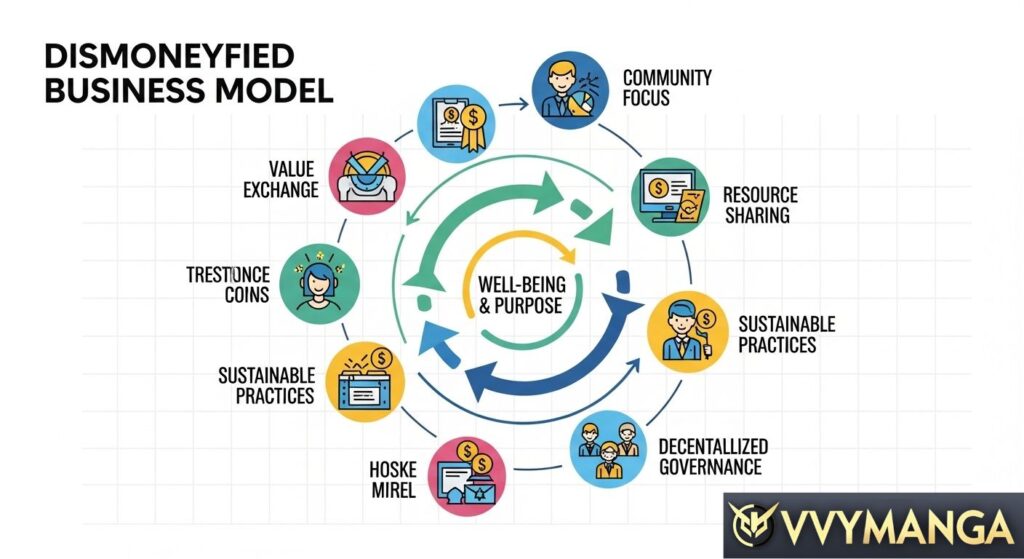
A dismoneyfied business model thrives on simplicity, agility, and resourcefulness.
- Skill-based value creation: Focus on what you can offer rather than what you own. Your expertise is your capital.
- Lean operations: Minimize fixed costs, use remote teams, and automate processes whenever possible.
- Digital-first growth: SEO, content marketing, and social media amplify your reach without a massive ad budget.
- Sustainability over spectacle: Long-term growth beats flashy short-term gains.
These principles allow you to compete effectively without pouring money into infrastructure or marketing campaigns.
4. Stage 1: Idea Validation with No / Low Funds
Before investing, you must test whether your idea has traction:
- Low-cost market research: Use surveys, polls, and free analytics tools to gauge demand.
- Minimum Viable Offer (MVO): Launch a simplified version of your product or service to gauge market response.
- Early customer feedback: Iterate quickly based on real user input rather than assumptions.
By validating your idea first, you reduce risk and avoid wasting resources on products or services no one wants.
5. Stage 2: Monetisation & Offer Design on a Shoestring Budget
Revenue comes from innovative design, not big budgets:
- Choose the right business model: services, digital products, memberships, or a hybrid model.
- Value-based pricing: Charge based on results and outcomes rather than cost.
- Creative monetisation tactics: Use pre-sales, crowdfunding, or bundled offers to generate early income without significant upfront expenses.
This step ensures your business can start generating revenue almost immediately.
6. Stage 3: Lean Operations & Cost-Control Tactics
Running lean isn’t about cutting corners—it’s about being strategic:
- Remote teams & outsourcing: Pay for results, not hours.
- Automation: Tools for scheduling, email campaigns, and analytics save time and money.
- Minimal overhead: Avoid office rent and unnecessary subscriptions.
Efficient operations enable you to scale faster while keeping financial costs low.
7. Stage 4: Sales, Marketing & Growth Without Big Ad Budgets
Marketing doesn’t require millions:
- Content marketing & SEO: Blogs, videos, and social media content attract organic traffic.
- Referral & community growth: Encourage word of mouth and leverage networks.
- Strategic partnerships: Collaborate with micro-influencers or complementary brands.
The goal is consistent growth through innovative, low-cost strategies that maintain ROI.
8. Stage 5: Financial Control for Lean Businesses
Money management is crucial:
- Cash flow basics: Track income and expenses religiously.
- Key metrics: Focus on profitability per client and customer acquisition cost (CAC).
- Simplified accounting: Use basic tools to monitor your financial health without complex setups.
Proper financial control ensures your business stays viable, even with limited funds.
9. Common Mistakes & How to Avoid Them
Even lean entrepreneurs stumble:
- Over-hiring too soon: Scale only when demand is proven.
- Ignoring market fit: Don’t prioritize cost-cutting over product-market alignment.
- Neglecting sustainability: Quick wins are tempting, but long-term planning ensures longevity.
Awareness of these pitfalls helps you stay focused and resourceful.
10. When & How to Scale Smartly While Staying True to the Dismoneyfied Model

Scaling is about strategy, not spending:
- Signals to scale: Consistent demand, manageable workflow, and solid revenue.
- Adding resources strategically: Invest in tools, teams, or partnerships as needed —not all at once.
- Maintaining lean culture: Growth shouldn’t compromise efficiency or agility.
The goal is sustainable expansion that preserves the core dismoneyfied principles.
11. The Extended Mindset: Culture, Hiring & Leadership in Lean Businesses
A dismoneyfied business thrives on culture and leadership:
- Shared entrepreneurial mindset: Everyone understands the lean philosophy.
- Micro-team dynamics: Small teams can move faster and adapt easily.
- Resourceful leadership: Leaders prioritize results over appearances or large budgets.
Strong culture amplifies productivity and morale without inflating costs.
12. Future Trends & “Beyond Capital” Growth Opportunities

Opportunities for dismoneyfied businesses continue to grow:
- Subscription models & digital ecosystems: Recurring income without significant upfront capital.
- AI & automation: Streamline operations and marketing.
- Global reach: Leverage remote teams and digital platforms to scale internationally while remaining lean.
By anticipating trends, you can innovate without depending on big investment rounds.
13. Toolbox & Resource List for the Dismoneyfied Entrepreneur
Essential tools help you execute efficiently:
- Project management: Trello, Asana, Notion
- Marketing & SEO: Canva, Buffer, Google Analytics
- Finance & accounting: Wave, QuickBooks
- Communities & learning: Online forums, mastermind groups, podcasts
A solid toolkit allows you to run a professional business on a shoestring budget.
14. Putting It All Together – Your 90-Day Roadmap to Launch
A practical plan accelerates results:
- Weeks 1-4: Validate your idea, define your offer, and engage early users.
- Weeks 5-8: Build visibility, generate first sales, collect feedback.
- Weeks 9-12: Optimize operations, measure key metrics, and plan for scale.
Following this roadmap ensures you launch smartly and efficiently.
15. Conclusion & Action Steps
The business guide disproves that starting and growing a business doesn’t require massive capital. By embracing a lean business model, validating ideas early, leveraging digital tools, and staying disciplined with finances, anyone can build a thriving enterprise. Start small, act smart, and grow strategically. Your journey begins now—success is not about the money you have but the strategy you apply.
FAQs
1. What is a dismoneyfied business?
A business built and scaled with minimal capital, relying on skills, digital tools, and lean strategies.
2. Can I start a dismoneyfied business with no experience?
Yes. Focus on learning, testing ideas, and leveraging your skills to offer value.
3. How do I monetize without significant investments?
Use service-based offers, digital products, memberships, or hybrid revenue models.
4. Is scaling possible with a dismoneyfied model?
Absolutely. Scale strategically using automation, partnerships, and remote teams.
5. What are the biggest mistakes to avoid?
Over-hiring, ignoring market fit, and neglecting long-term sustainability.
6. Which tools are essential for lean business operations?
Trello, Asana, Notion for projects; Canva, Buffer for marketing; Wave, QuickBooks for finances.
