
Introduction
Tonight, the sky promises a breathtaking show unlike anything many Americans have ever seen — the Northern Lights are expected to shimmer across much of the United States. This rare celestial spectacle, scientifically known as the Aurora Borealis, will extend its vibrant hues far beyond its usual Arctic home, bringing a cosmic light show to millions.
What Are the Northern Lights?
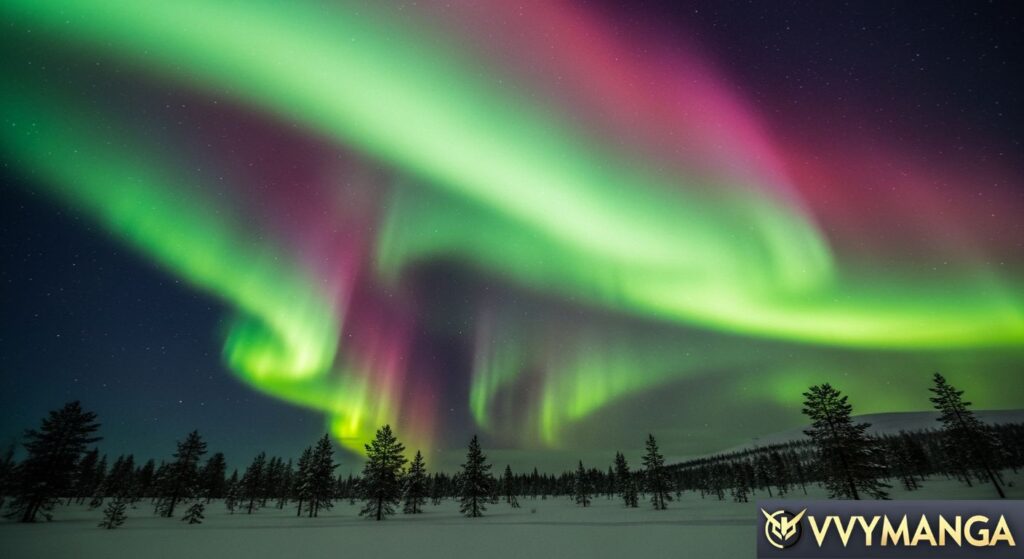
Understanding the Aurora Borealis
The Northern Lights are Earth’s natural neon display, painted across the night sky when charged particles from the Sun collide with atoms in Earth’s atmosphere. These collisions release bursts of light, creating waves of green, purple, pink, and red that dance across the heavens.
The Science Behind the Colors
Each color represents a different type of gas reacting with solar particles. Oxygen produces green and red hues, while nitrogen contributes purples and blues. Together, they form a mesmerizing blend of cosmic artistry that seems to breathe life into the sky.
Why Tonight Is Special
The Rare Solar Activity
A powerful solar storm — an eruption of energy from the Sun — is responsible for tonight’s extraordinary auroral event. The intensity of this storm allows the Northern Lights to be visible much farther south than usual.
Unusual Visibility Across the U.S.
Typically, only states like Alaska or northern Minnesota catch glimpses of the aurora. But tonight, states as far south as Kansas, Missouri, and even North Carolina might see the glow. This is one of the most widespread aurora events in decades.
Where and When You Can See the Northern Lights

Best States for Viewing
If you live in states like Montana, Wisconsin, Michigan, or Maine, your chances are excellent. However, parts of the Midwest and even the upper South could also enjoy a faint glow if conditions are right.
Ideal Time to Watch
The best time is between 10 PM and 2 AM local time, when skies are darkest. Patience is key — the aurora may appear suddenly and fade quickly.
Top 10 States Where You Can See the Rare Aurora Display
The rare Northern Lights event tonight is creating excitement across the United States. Due to a strong geomagnetic storm, several northern and midwestern states have an excellent chance of witnessing the dazzling Aurora Borealis — a natural light show caused by solar particles colliding with Earth’s atmosphere.
Below are the top 10 U.S. states where skywatchers have the best odds of spotting this breathtaking phenomenon tonight:
- Alaska – Always the best vantage point for auroras, especially Fairbanks and Anchorage.
- Minnesota – Northern regions like Duluth and Grand Marais offer clear, dark skies.
- Montana – Glacier National Park often becomes a hotspot for vivid aurora colors.
- North Dakota – Open plains near Fargo and Bismarck make for ideal viewing.
- Wisconsin – Areas around Bayfield and Door County could see a soft green glow.
- Michigan – The Upper Peninsula, particularly Marquette and Keweenaw, offers prime aurora visibility.
- Maine – Northern Maine and Acadia National Park provide fantastic clear-sky views.
- Idaho – Panhandle regions may experience faint but beautiful aurora ribbons.
- Washington – From Spokane to Mount Baker, residents may glimpse the aurora over the mountains.
- Oregon – In rare geomagnetic events like tonight’s, the lights may even be visible from the Columbia River Gorge.
How to Prepare for the Aurora Show
Find the Right Location
Head away from city lights. Open fields, rural areas, or elevated locations are best suited. Suited The less light pollution, the clearer the view.
Tools and Apps for Tracking
Use apps like My Aurora Forecast or SpaceWeatherLive to track real-time aurora activity. These tools provide alerts so you don’t miss a moment.
Weather Conditions and Their Impact
Cloud Cover and Visibility
Even a bright aurora can be hidden by clouds. Check local forecasts to find clear skies. Areas with low humidity usually offer the best visibility.
Light Pollution and Its Effects
Streetlights and city glow can wash out the colors. Try to travel at least 20 miles outside urban zones for the best experience.
The Role of Solar Storms
What Causes the Aurora?
When the Sun emits a coronal mass ejection (CME), it sends charged particles speeding toward Earth. When these particles interact with our planet’s magnetic field, they produce the aurora.
How Solar Flares Affect Earth’s Atmosphere
Solar flares can cause disruptions to satellites and communication systems — but they also create the perfect ingredients for a glowing sky show.
Photography Tips for Capturing the Northern Lights
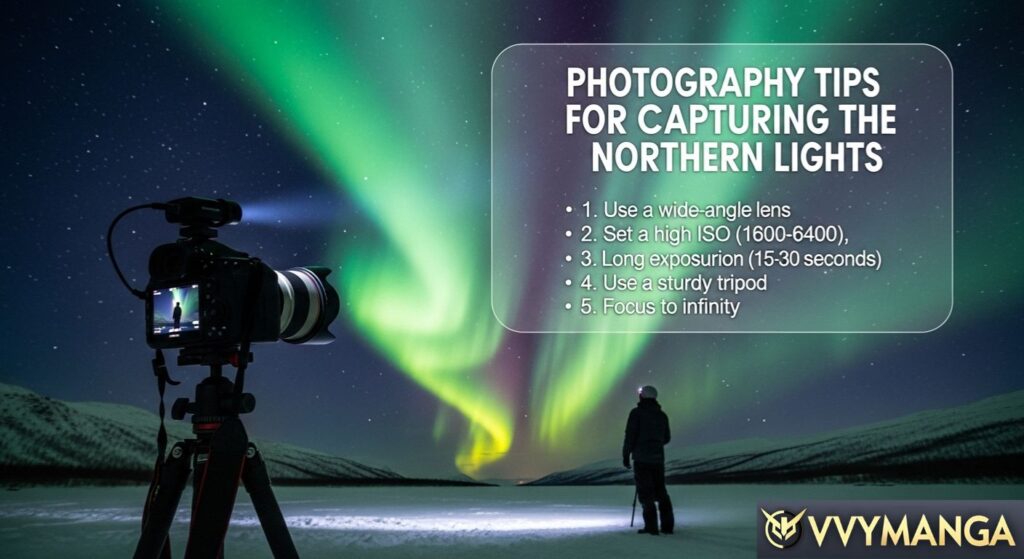
Best Camera Settings
- Use a tripod to keep your camera steady and prevent camera shake.
- Set ISO between 800 and 3200.
- Use a wide-angle lens and set the exposure to 10–20 seconds.
Avoiding Common Mistakes
Avoid using flash or autofocus, as these can cause your shots to blur. Instead, manually adjust the focus to infinity for crisp, clear images.
Historical Sightings of the Aurora in the U.S.
Notable Past Events
One of the most remarkable auroral displays occurred in 1859, during the Carrington Event, when the Northern Lights were seen as far south as the Caribbean.
How This Event Compares
While tonight’s event may not match the Carrington-level intensity, it remains one of the most significant auroral occurrences of the 21st century.
Cultural Significance of the Northern Lights
Ancient Myths and Legends
From Norse mythology’s belief that the aurora was the glow from the Valkyries’ armor to Native American tales of spirits dancing in the sky — every culture has found wonder in these lights.
Symbolism Across Civilizations
The Northern Lights often symbolize hope, renewal, and spiritual connection — a bridge between Earth and the divine.
Scientific Importance of Studying Auroras
What Scientists Learn from Auroras
Studying auroras helps scientists understand how solar storms impact satellites, GPS systems, and even power grids.
Ongoing NASA and NOAA Research
NASA’s THEMIS mission and NOAA’s Space Weather Division continuously monitor solar activity to predict when and where auroras will appear.
Safety Tips for Night Viewing
Staying Warm and Safe Outdoors
Dress in layers, bring blankets, and pack a thermos of hot coffee or cocoa. Even in warmer regions, nighttime temperatures can drop quickly.
Avoiding Overexposure to the Cold
If you’re staying out late, take breaks in your car to warm up. Hypothermia can sneak up faster than expected during long observation sessions.
Fun Facts About the Northern Lights
- The Southern Hemisphere has its own version, known as the Aurora Australis.
- The aurora makes no sound — but some claim to hear faint crackling under silent skies.
- Jupiter and Saturn also have auroras caused by their powerful magnetic fields.
What If You Miss the Show?
Livestream Options
Several observatories and sky-watch organizations will stream the event live on YouTube and social media.
When to Expect the Next Aurora Event
Solar cyclestypically occury every 11 years, meaning stronger auroras could return soon as weapproachr the solar maximum in the coming years.
Conclusion
Tonight’s Northern Lights offer more than just a visual treat — they remind us how deeply connected we are to the universe. Whether you step outside to witness it firsthand or watch online, this rare celestial event is a moment of collective awe that unites skywatchers across the nation.
FAQs
1. Can I see the Northern Lights from southern states?
Possibly, if the solar storm is strong enough and the skies are clear of clouds and light pollution.
2. What colors should I expect to see?
Greens are most common, but reds, purples, and blues may also appear during intense activity.
3. Do the Northern Lights happen every night?
No, they depend on solar activity, which varies from one one night to the nextext.
4. Are the Northern Lights harmful?
Not at all! They are harmless and natural atmospheric phenomena.
5. How long will the aurora last tonight?
The lights may appear intermittently for several hours, peaking around midnight.
